
Florida’s coastal homes are known for their beautiful views, sunny weather, and, unfortunately, exposure to some harsh elements. Salt, humidity, wind, and occasional heavy rains can damage your home’s exterior, particularly stucco. Stucco is a popular finish for coastal properties because of its durability and attractive appearance, but it does require regular maintenance to stay in top condition.
If you own a coastal home in Florida, here are five signs that your stucco may need repair and why it is essential to address these issues before they become more significant problems.
1. Cracks in the Stucco Surface
Cracks are one of the most noticeable signs that your stucco may need repair. On the Florida coast, these cracks can be caused by the house settling, temperature changes, or exposure to salty air, which can gradually wear down the stucco.
- Why It Matters on the Coast: Cracks can allow moisture from Florida’s humid climate to seep into your walls, leading to water damage, mold growth, or structural issues. The salt in the air can exacerbate these problems, accelerating the deterioration of your stucco.
- What to Do: It’s important to repair cracks as soon as you notice them. Minor hairline cracks might not seem urgent, but even small openings allow moisture and salt to penetrate the surface, causing long-term damage.
For more extensive cracks, it’s wise to consult a stucco repair expert who can assess the situation and recommend the best repair methods suited for Florida’s coastal conditions.
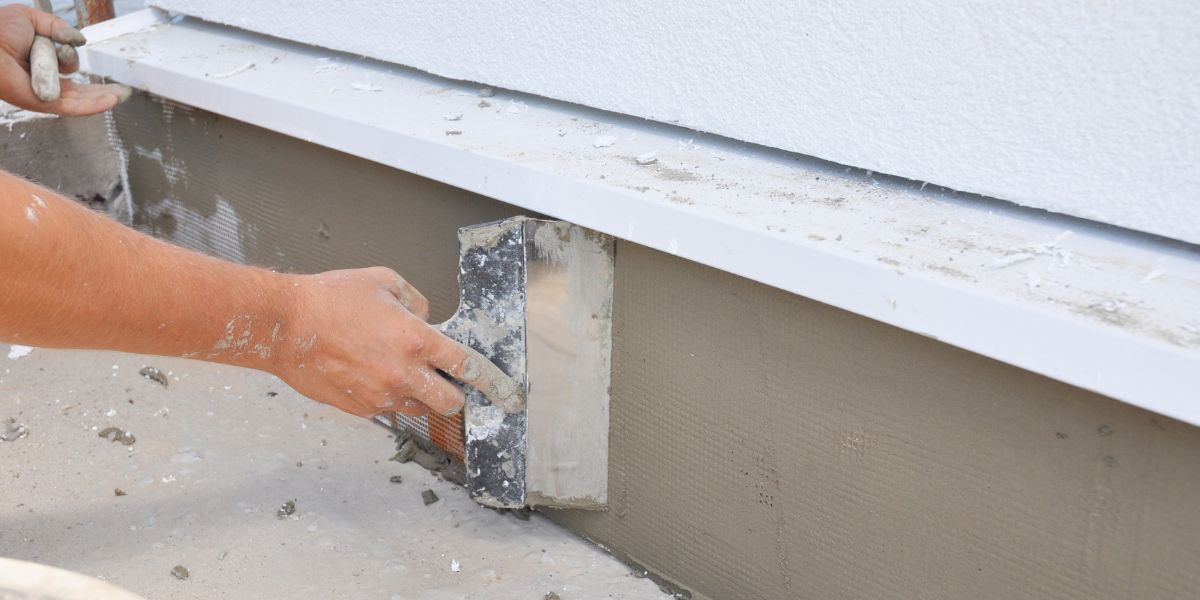
2. Discoloration or Staining
Discoloration or staining is a common problem for stucco homes in Florida, often caused by constant exposure to moisture, salt air, or algae growth. You might notice dark streaks, greenish patches, or white chalky residue known as efflorescence.
- Why It Matters on the Coast: In Florida’s humid environment, discoloration can indicate moisture penetrates your stucco, potentially leading to mold or mildew growth. This can be especially problematic near the coast, where saltwater can accelerate damage.
- What to Do: If you notice discoloration, address it promptly to prevent further damage. Sometimes, a good cleaning can remove stains, but if the discoloration persists, it may be a sign of deeper water infiltration that requires professional stucco repair.
3. Bubbling or Bulging Stucco
Coastal humidity, frequent rain showers, and salt air can trap moisture behind the stucco, leading to bubbling or bulging. This is often a sign that the stucco is separating from the wall, which can result in more serious issues if left unchecked.
- Why It Matters on the Coast: Bubbling or bulging stucco indicates that moisture has penetrated behind the surface. This can lead to rotting of the underlying materials, especially wood framing, which can compromise the structural integrity of your home.
- What to Do: Bubbling stucco typically requires professional attention, as it often involves removing and replacing damaged sections. Addressing the problem early can prevent further deterioration caused by Florida’s coastal weather.
For homeowners dealing with this issue, it is crucial to consult a professional who understands the unique challenges of Florida’s coastal environment.
4. Soft or Crumbling Stucco
Stucco that feels soft to the touch or crumbles when pressed is a sign that it’s losing its integrity, often due to prolonged exposure to moisture and salt air. This issue is prevalent in older homes along the Florida coast.
- Why It Matters on the Coast: When stucco begins to crumble, it means water has penetrated deep into the structure, which can lead to more serious damage, such as wood rot, mold growth, or even pests attracted to the moisture.
- What to Do: If you notice any soft or crumbling areas, getting them repaired as soon as possible is essential. This protects your home’s structure and ensures that your stucco continues to provide a barrier against Florida’s harsh coastal conditions.
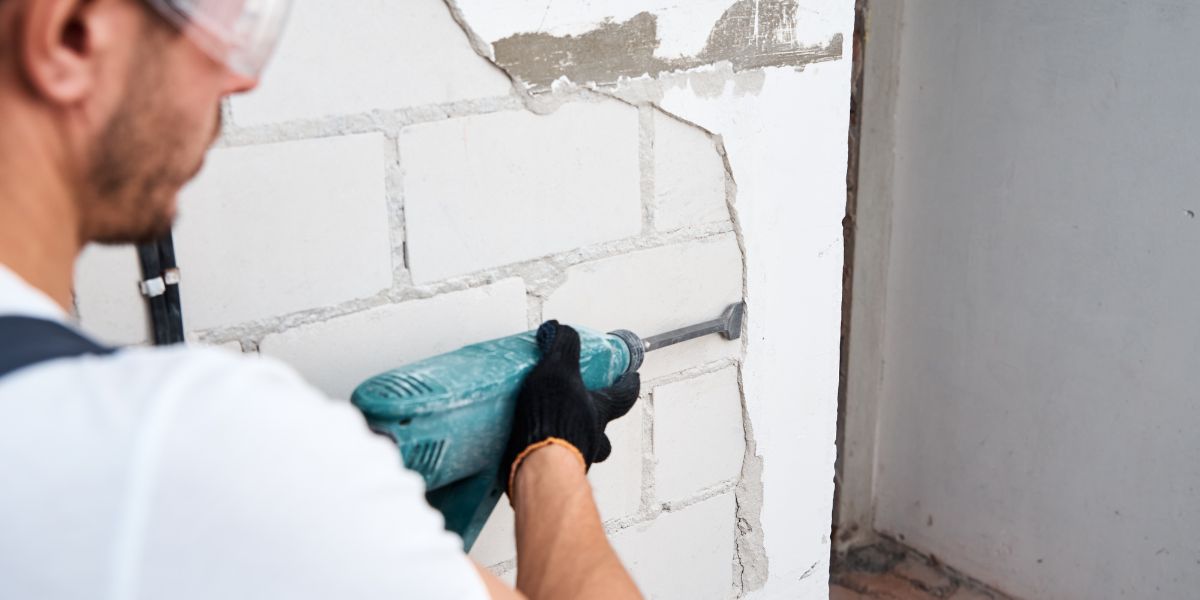
5. Gaps Around Windows and Doors
Homes in Florida’s coastal areas are prone to shifting and settling, which can cause stucco to separate from the edges around windows, doors, or other openings. Wind-driven rain, salt, and humidity can easily infiltrate these gaps, leading to water damage over time.
- Why It Matters on the Coast: Gaps around windows and doors can allow moisture to seep in, causing damage to your home’s interior and exterior. This can lead to wood rot, mold growth, and even increased energy bills due to air leakage.
- What to Do: Properly sealing gaps around windows and doors will protect against water intrusion and help maintain energy efficiency, which is crucial in Florida’s hot climate.
Taking Action: Protecting Your Florida Coastal Home’s Stucco
Maintaining your stucco in Florida’s coastal environment requires regular inspections and prompt repairs to prevent more severe problems down the road. By addressing issues like cracks, discoloration, bubbling, and gaps early on, you can ensure that your home stays protected from the unique challenges of living by the ocean.
If you’re unsure about the condition of your stucco or need professional repairs, it’s always best to consult an expert who understands the coastal climate. Properly addressing stucco issues is crucial whether you’re preparing to sell your home and maximize its value or investing in repairs to protect your forever home from Florida’s harsh weather. Taking care of stucco damage prevents more costly repairs down the line and ensures your property looks its best.